
-
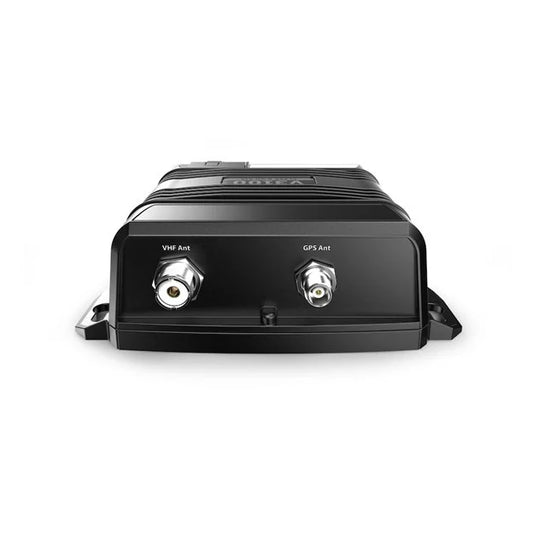
B&G V3100 Class B AIS
Regular price €1.015,82 EURRegular price€1.154,34 EURSale price €1.015,82 EURSale -

 €220 below RRP
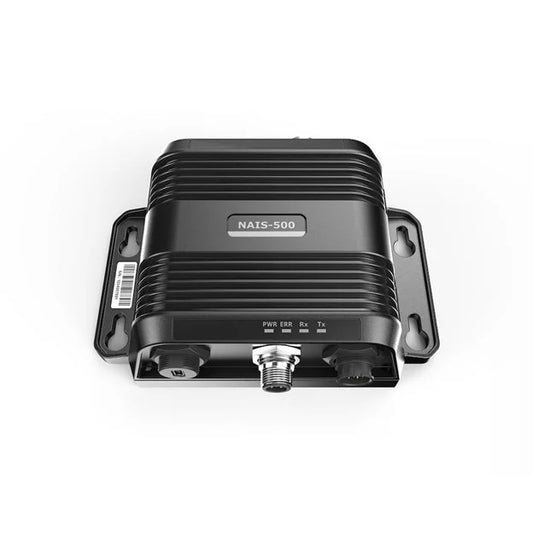
B&G NAIS-500 AIS system with NSPL-500 splitter and GPS-500
Regular price €1.203,27 EURRegular price€1.424,17 EURSale price €1.203,27 EURIncl. €50 extra Ultimate Upgrade discount
€220 below RRP -

 €178 below RRP
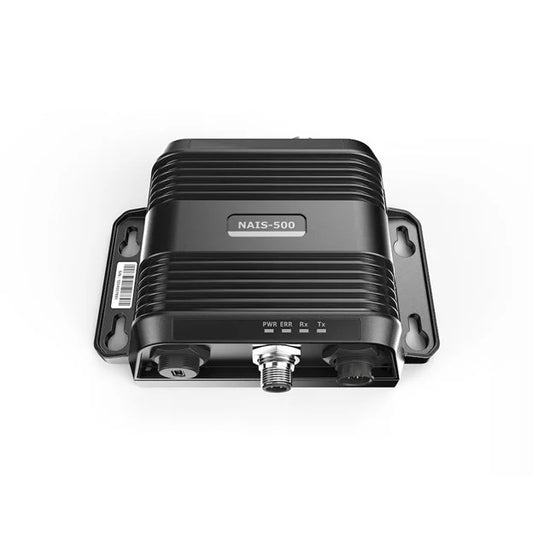
B&G NAIS-500 AIS transponder with GPS-500 and NMEA 2000
Regular price €895,54 EURRegular price€1.074,48 EURSale price €895,54 EURIncl. €50 extra Ultimate Upgrade discount
€178 below RRP -
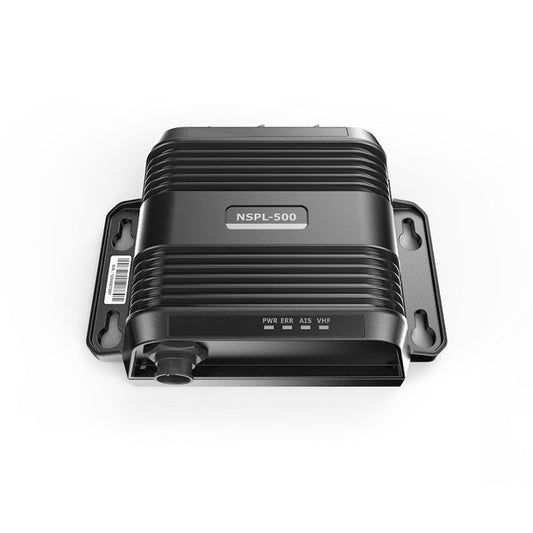
B&G NSPL-500 antenna splitter for AIS and VHF radio
Regular price €306,66 EURRegular price€348,48 EURSale price €306,66 EURSale -
B&G IP CAM-1 marine camera 12 V
Regular price €637,82 EURRegular price€724,79 EURSale price €637,82 EURSale -
NMEA 2000 Micro-C backbone kit
Regular price €102,63 EURRegular price€116,63 EURSale price €102,63 EURSale -
NMEA 2000 T-connector N2K-T-RD, red
Regular price €25,09 EURRegular price€28,51 EURSale price €25,09 EURSale -
NMEA 2000 Micro-C 4-way low-loss connection
Regular price €82,10 EURRegular price€93,30 EURSale price €82,10 EURSale -
NMEA 2000 extension cable 60 cm, N2KEXT-2RD
Regular price €36,49 EURRegular price€41,47 EURSale price €36,49 EURSale -
6ft NMEA 2000 Network Extension Cable
Regular price €57,02 EURRegular price€64,80 EURSale price €57,02 EURSale -
NMEA 2000 extension cable 4.5 meters, N2KEXT-15RD
Regular price €63,87 EURRegular price€72,58 EURSale price €63,87 EURSale -
NMEA 2000 cable 7.5 meters
Regular price €90,09 EURRegular price€102,38 EURSale price €90,09 EURSale -
NMEA2000 cable for normal use 2m (6.5ft)
Regular price €90,09 EURRegular price€102,38 EURSale price €90,09 EURSale -
NMEA2000 cable for normal use 6m (19.7ft)
Regular price €112,87 EURRegular price€128,26 EURSale price €112,87 EURSale -
NMEA2000 cable for normal use 10m (33ft)
Regular price €146,94 EURRegular price€166,98 EURSale price €146,94 EURSale -
Micro-C Right Angle Connection Cable 0.4m (90°)
Regular price €27,37 EURRegular price€31,10 EURSale price €27,37 EURSale





B&G: electronics that do the sailing maths
B&G shares its hardware with Simrad — the same radars, the same network, the same sensors. The difference is the software, and on a sailing boat that difference is the whole product: laylines, SailSteer, start line, true wind corrected for heel. Below are the seven groups the range falls into. Pick where you are.
Chartplotters — Vulcan and Zeus
Five ranges, from 7 to 24 inches. Vulcan (7", 9") for coastal cruising and club racing, with SailSteer and RacePanel built in. Zeus S (7", 9", 12", plus 12" and 15" Ultrawide) for cruising and racing. Zeus SR (10", 12", 16") for ocean cruising and regatta work, with an eight-core processor. Zeus³S (9", 12", 16") and the Glass Helm versions (16", 19", 24") with a separate processor behind the console.
View chartplottersInstruments and displays
Triton² is the usual choice in the cockpit — three or four side by side, and it doubles as your autopilot control. Nemesis (7", 9", 12") is the large graphic display you lay out yourself, readable from the foredeck. The HV mast displays run 10/10 through 40/40: big digits, readable from the mast, with front frames in black, white, red and green so you can tell at a glance which one shows what.
View instrumentsSailing processors — where the numbers come from
Displays show what the sensors measure. A sailing processor corrects the measurement — it knows you are heeling 20 degrees and that your masthead unit is therefore tilted, and works out the real true wind from that. Laylines and target speed come out of that correction; without it those numbers simply do not add up. Triton Edge for cruising and dual-purpose, H5000 in three levels, Hercules and WTP3 for grand-prix racing.
View processorsSensors — wind, depth and heading
The WS320 is wireless and solar charged; the WS310 is wired and needs no battery. Which one suits you is decided by your mast, not your preference — see the guide below. The vertical WS700 series lifts the sensor out of the disturbed air above the mainsail, in 0.8 m up to 1800 mm. Under the water the DST810 does depth, speed and temperature in one through-hull, and there is ForwardScan for looking ahead.
View sensorsAutopilots
A pilot is four parts that have to match: computer, control, drive and feedback. The NAC-2 and NAC-3 computers come as core packs, also in a VRF version that needs no rudder feedback sensor. The H5000 Pilot steers to true wind angle using corrected H5000 data. Drives run from the T-series rams (T0 to T4) for a quadrant to hydraulic pumps sized on your cylinder — the sizing rule is in the guide below.
View autopilotsRadar — HALO
Three closed domes, light enough for a mast bracket, which is why they are the usual choice on a sailing boat. The HALO20 reaches up to 24 nautical miles and is plenty for coastal work. The HALO20+ goes to 36, turns at up to 60 rpm and can show two ranges at once. The HALO24 is the same electronics in a 24-inch dome, up to 48 miles. We also have plotter-plus-radar packages so cable and connection are sorted.
View radarVHF and AIS
The V-series runs from the compact V20S to the V100, with wireless handsets and black-box systems for a crowded helm. Watch the -B in the name: that means a built-in Class B AIS transponder, so you transmit as well as receive. Prefer a separate box, then the NAIS-500 hangs on the network instead. The NSPL-500 splitter lets VHF and AIS share one masthead antenna — no second cable up the mast.
View VHF and AISWhich Zeus, wired or wireless wind, and upgrading an H5000 — open for the comparison
Which chartplotter range?
| Range | Sizes | Made for |
|---|---|---|
| Vulcan | 7", 9" | Coastal cruising and club racing. SailSteer and RacePanel included |
| Zeus S | 7", 9", 12" | Cruising and racing — the usual choice for a complete new set-up |
| Zeus S Ultrawide | 12", 15" | Wide format: two panels side by side without the chart becoming a strip |
| Zeus SR | 10", 12", 16" | Ocean cruising and regatta. Eight-core processor, so it stays quick with heavy charts and radar |
| Zeus³S | 9", 12", 16" | Bluewater cruising and regatta. Proven range, also as a second screen on an existing system |
| Zeus³S Glass Helm | 16", 19", 24" | Large cruising and performance yachts: separate processor with one or two monitors |
Size is decided by reading distance and how many panels you want open at once, not by the length of the boat. A 9-inch at arm's length reads better than a 12-inch you are standing on top of.
WS310 or WS320 — your mast decides
The WS320 is wireless and charges on solar — it charges even on an overcast day and runs over two weeks without any charge at all; the battery is replaced after three to five years. It works up to about 30 metres. No cable to pull, which on an existing boat is usually the deciding argument.
Choose the wired WS310 when your mast is over 25 metres, when there is a lot of 2.4 GHz traffic aboard (wifi, bluetooth), when you have a carbon or metal mast or hull, or simply when the mast is coming out anyway. It never needs a battery.
Upgrading an H5000 costs no new hardware
The H5000 CPU comes in three levels — Hydra, Hercules and Performance — and you can move up with an unlock code: Hydra to Hercules, Hercules to Performance, or Hydra straight to Performance. The box stays where it is, the software steps up. We stock all three codes. If you are hesitating over which CPU to buy, that is the reassurance: you can start small.
Sizing an autopilot pump
Not by feel, but by hard-over time: how long the rudder takes to go from full port to full starboard. The rule of thumb is 10 to 16 seconds. Slower than that and the pump is undersized — you notice it immediately in a following sea. Faster and it steers restlessly and draws more current than it needs to. Send us the capacity of your steering cylinder, usually on its plate, and we will work out which pump fits.
What the sailing features actually need
A chartplotter on its own gives you chart, position and routes. Laylines, start line and wind display are calculated from sensor data: a masthead wind unit, a speed and depth sensor, and a compass. Without those sensors the sailing pages stay empty, however expensive the screen. That is the single most common disappointment, and it is worth knowing before you order.


